


The first thing I ever gave up for Lent was chocolate. I learned of the practice when I was 14 years old, replete with identity issues and eager to show my worth, so spiritual discipline (in every sense of the word) appealed to me deeply. Chocolate seemed like a great starter sacrifice, and it immediately went on my list of “don’ts” for all 46 days. I successfully abstained with a sense of accomplishment and found new joy and dedication in the season leading up to Easter.
Except for this one night at The Old Spaghetti Factory in Nashville. I don’t remember the exact occasion, but it was always a treat for my family to eat there, and this was a particularly jovial outing. I was about to inhale my third bite of dessert when I glanced down and suddenly froze in horror. Staring back up at me (I’m pretty sure it was scowling with disappointment) was my perfectly portioned dish of spumoni ice cream, which I had only just remembered is generously swirled with chocolate.
The rest of my dinner congealed into an unpleasant lump in my gut as the reality of my broken vow set in. I was deeply grieved at my faithlessness, and my ever-present inner judge began to chide me. How could you? Why are you so weak? Jesus made it all they way to the cross for you and you can’t even do this one tiny thing for a few measly weeks? Are you sure you’re even a believer? I had no answers. I was so near to bursting into public tears that when the server collected my dish and asked, “Are you sure that’s all you want?” I could only force a wan smile and nod. As I recall, that was my only slip-up that year, and it was an understandable and minor infraction, but failure was failure to me, and it weighed unbearably bitter on my heart.
Another Lent season kicks off on (Ash) Wednesday next week, and I find myself looking back at those feelings I had as a teen in the context of Nehemiah chapter 8. In this account of Jewish history, the people had just finished the years-long project of rebuilding the Temple and walls of Jerusalem. Appropriately, they declared a day of celebration. To begin the festivities, they called on Ezra to read the Torah to them from sun-up until mid-day. As he read, a change came over the crowd. Their climactic moment of reconnecting with God and reveling in their great work inspired the people to…cry. To weep, really. They became overwhelmed with grief for their years of turning away from God and God’s instructions. The party of a lifetime devolved into mass mourning.
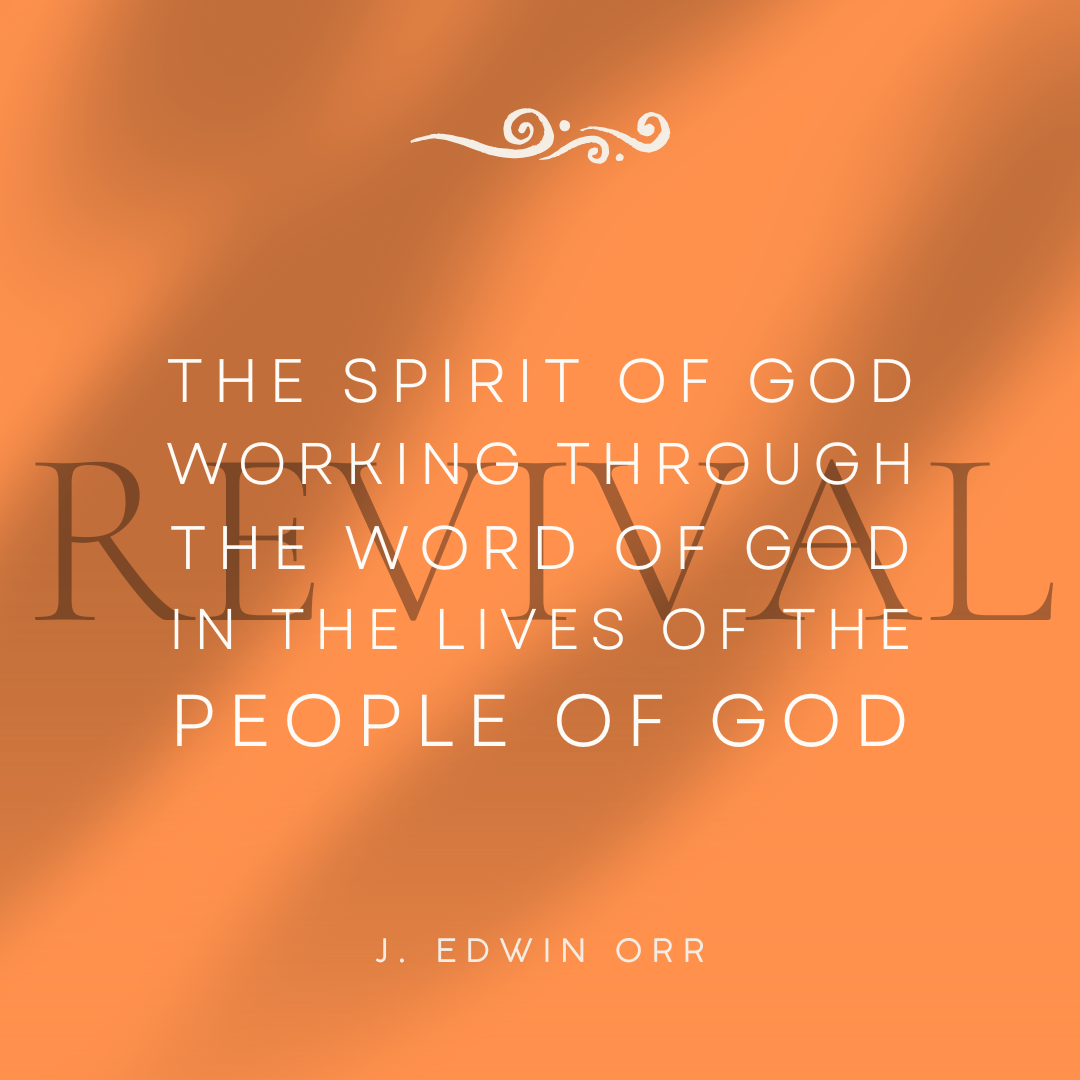
Maybe it doesn’t look like what we think of when we hear the word, but this was a revival in the truest sense. J. Edwin Orr (who spent a lifetime studying the phenomenon) defined revival as “the Spirit of God working through the word of God in the lives of the people of God.” This moment Nehemiah describes fit the bill in every way.
Ezra and the priests immediately began to encourage and cajole the people: “Don’t mourn or weep on such a day as this! Go and celebrate with a feast of rich foods and sweet drinks, and share gifts of food with people who have nothing prepared. This is a sacred day before our God. Don’t be dejected and sad, for the joy of the Lord is your strength!” (verses 9a, 10).
When I read this passage for the first time, it made me bristle. I hate it when people say, “Don’t cry.” I know they usually mean well, but crying is good. As a friend told me once, it’s the way our heads and hearts sync up with each other, which we don’t let happen often enough. Instead of telling me not to cry, just bring me a tissue or something, yeah?
Plus that last verse is one we tend to overuse and sometimes even abuse in the church. Taken out of context, it has the same ring as “Hang in there!” or “Good Vibes Only!” What these sentiments often boil down to is denial and/or discomfort with our moments of grief rather than any actual helpful encouragement.
On closer reading in context, however, the priests’ admonitions are not only proper leadership, they are good medicine we can take into Lent and beyond.
In the human psyche, there’s a phenomenon called Ironic Process Theory, also known as the White Bear Problem. In essence, it posits that we can’t simply not think of something; attempting to do so will only stimulate more thoughts about that thing. For example, telling myself not to think about white bears immediately puts them into my mind. The more I try not to think of them, the more I am sure to do so. To stop thinking about white bears, I need to begin thinking of something else instead.
The priests directed people not just to stop crying, but to care for themselves with some good food and drink and best of all, to find people who did not have those things and share with them. The people’s conviction for their collective and personal departure from God was right and good, but it would not be healthy to stay there; they needed direction for moving forward in positive action.
This is both good advice and good psychology. As Maya Angelou famously summed it up, “Do the best you can until you know better. Then when you know better, do better.” Not just think better, talk better, or feel better; DO better.

This is why there is more to Lent than fasting. Fasting gets all the publicity, but we are also traditionally called to three other disciplines: prayer, giving, and service. Fasting is an internal reminder of the vow; action is the proof that we mean it.
I wish I could go back to give my fourteen-year-old self a hug and tell her that she didn’t actually sin by eating two bites of chocolate, because God never asked her to give it up in the first place. I made that decision arbitrarily based on secondhand information of what other people did to observe Lent. I never asked God or looked up fasting in the Bible or learned more about Lent from reputable sources. I took up a tradition on my own limited understanding and ran with it. My first Lenten fast and promise weren’t meaningless…but they also weren’t particularly sacred or meaningful.
So what is God asking me to fast from this year?
Which of God’s values/people are heavy on my heart for prayer?
What can I give of my resources and/or how can I spend them more ethically in order to meet the need around me?
How can I speak, act, and move to share God’s love and care with all of creation, be they human, animal, plant, or other?
How may I observe Lent this year as a true revival, so that not only am I a better person, but something of the world around me is better by Easter Sunday?
Whatever answers I discern for these questions, I know one thing for sure: I will celebrate Easter morning with my favorite fair trade/child slavery-free chocolate. In abundance.
P.S. At the time of this posting, there is a public collective revival happening among and led by students at Asbury University in Wilmore, Kentucky. It began during a regular Chapel meeting on February 8 and has been going for 24 hours a day ever since. I’m praying for healing, community, and spiritual health for this generation that has been so disrupted by crises and resulting mental health concerns. I hope you will, too. Follow #AsburyRevival to keep up with what’s going on there.


 Lucinda S. Sutton
Thoughtful view of what is, all too often, a routine observance.
LikeLike