

2024 Q1
I’m trying something new. Instead of waiting for the end of the year to recap my reading goals, I’ve decided to begin doing it in sections; and instead of even waiting to the end of the books themselves to review them, I’m creating a snapshot of my raw impressions and experiences wherever I am in them so far. Here’s a look at my place in the world of words right now:

Hell Yeah Self-Care!: A Trauma-Informed Workbook
by Meg-John Barker & Alex Iantaffi
I purchased and began working this book last year in an ongoing attempt to get to the roots of my complicated relationship with food. I am now almost two-thirds of the way through its pages, and while I have not found the miracle switch that I’m always secretly hoping for, I have already gotten so much more than I expected. The authors expertly remove self-care from its current misalignment within buzzy trends, empty consumerism, and burdensome expectations, and nestle it back into core routines which gently and realistically envelop the whole person—body, mind, and spirit. They are giving me language for identifying and processing what I have been through in order to rebuild and embrace who I was always created to be. Most unexpected and delightful of all, they are helping me grow more and more into the second greatest commandment: to love my neighbor as myself. The more I understand trauma and its myriad effects, the more compassion I have for myself and others. The more I take care of my own original creation, the more I see it and care for it in the people around me. Never has the connection been so clear.

The CEB Storytellers Bible
by the Common English Bible and Michael E. Williams
Each January, I try to pick a different Bible off my shelf from which to do my devotional readings for the year. This edition has been gathering dust up there with the others, completely untouched for ages, so I decided its time had finally come. I also somewhat randomly picked the Robert Murray M’Cheyne reading plan, not fully grasping when I did that it was a read-the-full-Bible-in-a-year undertaking. The result has been an accidentally dense, comprehensive, and enriching deep dive into the scriptures as well as the storytelling techniques that both influenced and have been influenced by them over time. It is a lot of reading every day, but it gives more than it takes. I am making connections I never have before (Mark 6:39 = Psalm 23:2!), learning new definitions for very old literary techniques (favorite so far: catena), and enjoying sidebar after sidebar of bonus content from various rabbis, Midrashim, and related historical writings which connect the texts to their contexts. It’s kind of like sitting down for coffee with a very old friend and hearing her reveal something completely new about herself; she’s still my same old friend, but our relationship keeps getting deeper and somehow fresher with each meeting.
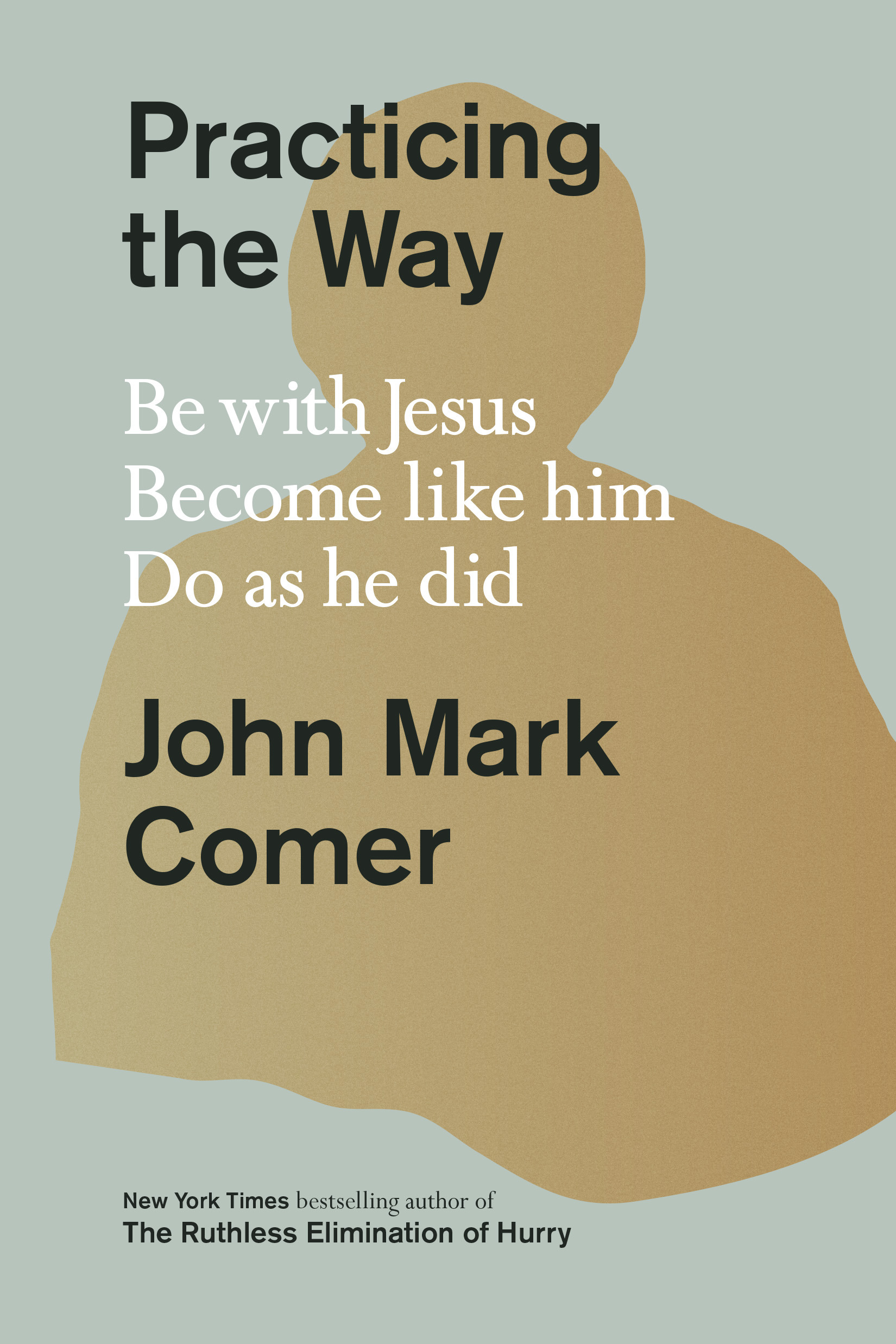
Practicing the Way: Be With Jesus, Become Like Him, Do As He Did
by John Mark Comer
I’m only about a third of the way through this one, so please take it with a grain of salt when I say that my impression so far is: I really want to like it more than I do. It’s not that there’s anything wrong with it, exactly. The writing is fine, the topic is relevant, the author seems sincere. It’s just that the person who recommended the book to me loves it, is rocked by it, and described its impact on them as nearly equivalent to the works of Brother Lawrence…and I am not seeing it (yet?). The crux of the book’s intent is redefining spiritual formation in new, more approachable terms for churches and believers in today’s culture…and maybe that’s the first point of dissonance for me. For good or for ill, I have been a churched person all my life, so I don’t need a new paradigm for spiritual formation. I need to get better at it, of course, but I know what it means to be a disciple, and I’m already familiar with the historical exposition he presents to make it relatable. I don’t need a fresh new take; I need relationships and tools and experiences to grow and be healthy at it. Comer’s precepts are solid and his tenets may be helpful for teaching formation to newer generations, but I’m still waiting for the wow, for the meat. I get the sense from him that I’m doing it wrong—or at least, not as well as I can/should—but I’m not hearing anything actionable for how to do or see or work or grow or form better. Maybe by the end…
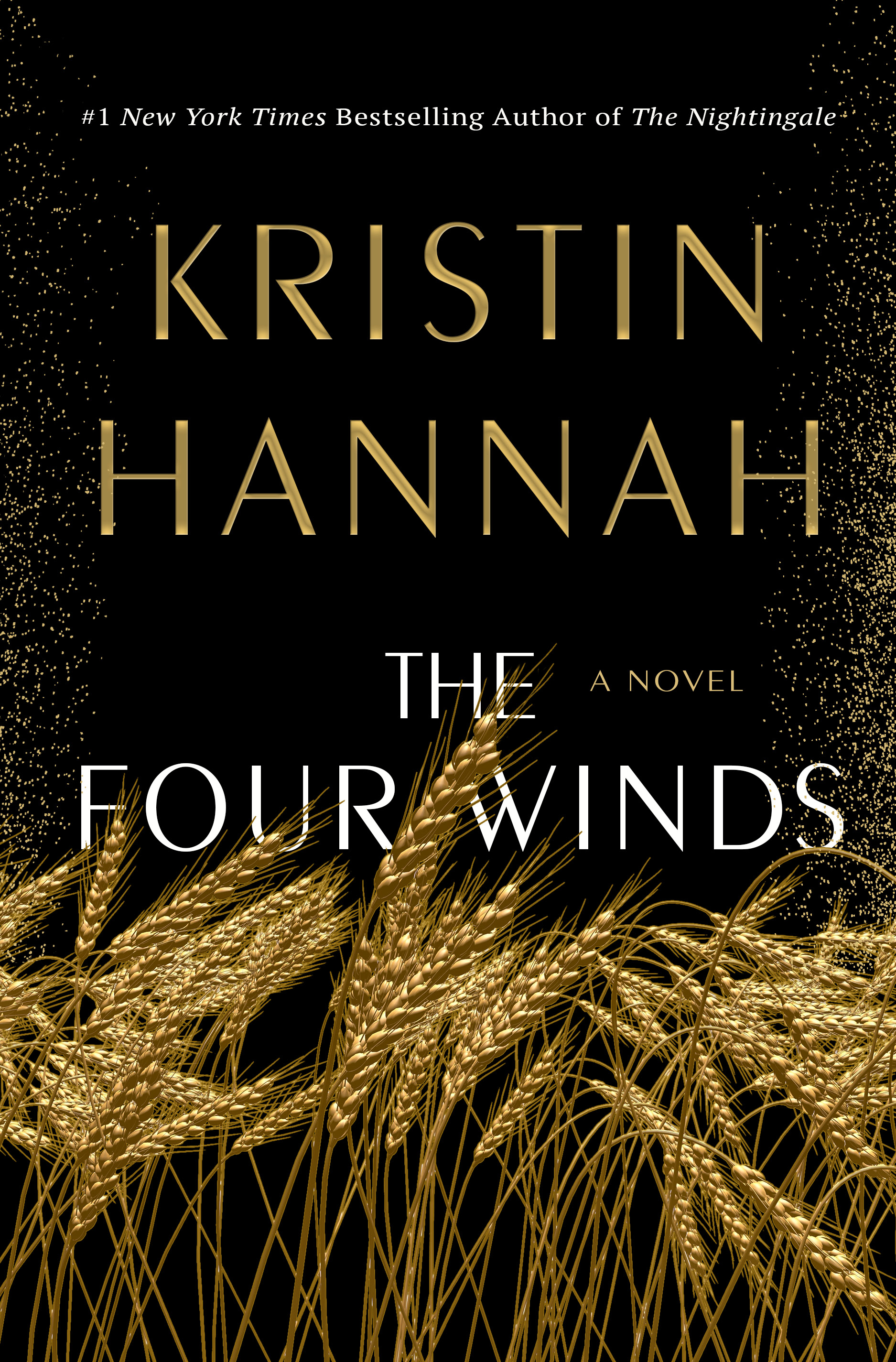
The Four Winds
by Kristin Hannah
This book is hurting my heart.
Don’t be alarmed; that’s a good thing.
On another recommendation from a friend, I opened this book without having the first clue what it was about. Turns out, it’s historical fiction set in and around the Great Depression, and it follows a family trying first to maintain, then to subsist, then to survive as the circumstances—and the land—disintegrate around them. Historical fiction is usually not my first choice, and I’ve heard enough about the Great Depression from family who lived through it, or whose parents did, to last a lifetime and more. This expertly crafted book made me actually feel it for the first time beyond the academics and the lore. In fact, the night after I began reading it, I woke up to use the bathroom and when my head returned to the pillow, it took me over an hour to get back to sleep as a direct result of this story. In the vulnerable dark of the night, my newly re-sensitized heart was raw, and I cried and fretted and tossed because I was so burdened with the pain in the world: war and poverty and violence and corruption and exploitation and health care and scarcity and debt and fear and rape and pillage and hungry children and abused animals and loneliness and even cramps—which I was definitely having, but we mustn’t blame the period. We blame the book, because it made me connect the history with the actual lives who went through it, and the lives that are going through our own variations of it now. I don’t know how the story is going to end, but I know how the timeline has progressed and I am praying for wisdom and opportunities to love my neighbors better and help us learn from our history instead of continuing to repeat it.
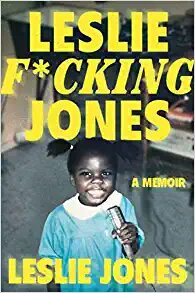
Leslie F*cking Jones
by Leslie Jones
Some reads are just for fun, and this is that for me right now. I do quite a bit of driving, but almost always locally in relatively short spurts at a time. Because of that, my favorite soundtrack for driving has become audio books, with memoirs as a particular favorite, as they tend to be undiminished by my continuous stops and starts. When I saw this one on my Audible shelf, it was a no-brainer; I f—ing love Leslie Jones. In case you’re not familiar with her, Leslie Jones is an ass-kicking, gravity-defying, beauty-redefining titan of today’s comedy scene. She’s smart, strong, skilled, nuanced, and full of wit and wisdom. She’s also oh so very foul-mouthed, so this book is not for the faint of heart or the sensitive of ear…but wow, can she ever spin a yarn! I am almost to the end of her tale at this point and I have no idea what can possibly follow it, but I am ever so grateful she was brave enough and generous enough to share.
That’s my active bookshelf right now, how about yours? Any recommendations to pass along? I’m always on the lookout for a future IMR book, so bring it on!


 Lucinda S. Sutton